

Business Decision Trends That Will Shape Your Strategy Today
Understanding Business Decision Trends is no longer optional for leaders who want to stay competitive. The pace of change in markets operations and technology means that the way organizations decide what to invest in scale or pivot must evolve quickly. This article explains the most impactful Business Decision Trends and offers practical steps to embed them into your strategy so you can make faster clearer and more resilient choices.
Why Business Decision Trends Matter Now
Business Decision Trends capture how executives managers and teams are changing the way they select priorities allocate resources and measure success. These trends emerge from advances in data tools shifts in customer behavior regulatory change and pressure to improve sustainability. When leaders track and adopt the right trends they can reduce wasted effort seize opportunities earlier and build stronger stakeholder trust. For a broad view of how these ideas play out across industries visit businessforumhub.com where practical cases and expert commentary are available.
Top Business Decision Trends to Watch
Below are the core Business Decision Trends that are reshaping corporate thinking across sectors.
1. Data driven decision making at scale
Organizations are moving from small isolated analytics experiments to enterprise scale data driven decision making. This means decisions are based on measurable outcomes and models that are tested in production. Teams use real time dashboards predictive insights and clear success metrics. To make this work leaders must invest in quality data governance training and tools that remove friction between insight and action.
2. AI enabled insight and automation
Artificial intelligence is maturing from a buzz concept into a standard decision support tool. AI helps surface patterns forecast demand optimize pricing and automate routine approvals. The trend is toward human plus machine workflows where AI provides recommendations and humans handle complex judgments. Governance and transparency remain essential to prevent bias and maintain stakeholder confidence.
3. Customer centric resource allocation
Clients now expect personalized experiences and fast resolution. Business Decision Trends show that successful companies align budget and resources to customer journeys rather than organizational silos. This reshapes where investments go and how teams are evaluated. Customer centric allocation increases lifetime value and reduces churn when done with discipline and measurement.
4. Sustainability and social impact as strategic levers
Sustainability is no longer a compliance task. It is a strategic input into major decisions including supplier selection product design and market entry. Boards and investors expect measurable environmental social and governance outcomes. Companies that integrate sustainability into core decision criteria often uncover cost savings and new markets while reducing risk exposure.
5. Scenario planning and flexible execution
Uncertainty is persistent. Business Decision Trends favor scenario planning that creates multiple plausible futures and links them to adaptive execution plans. This enables firms to move quickly when conditions shift while protecting core operations. Scenario planning works best when it is revisited regularly and tied to clear triggers for action.
6. Risk aware growth
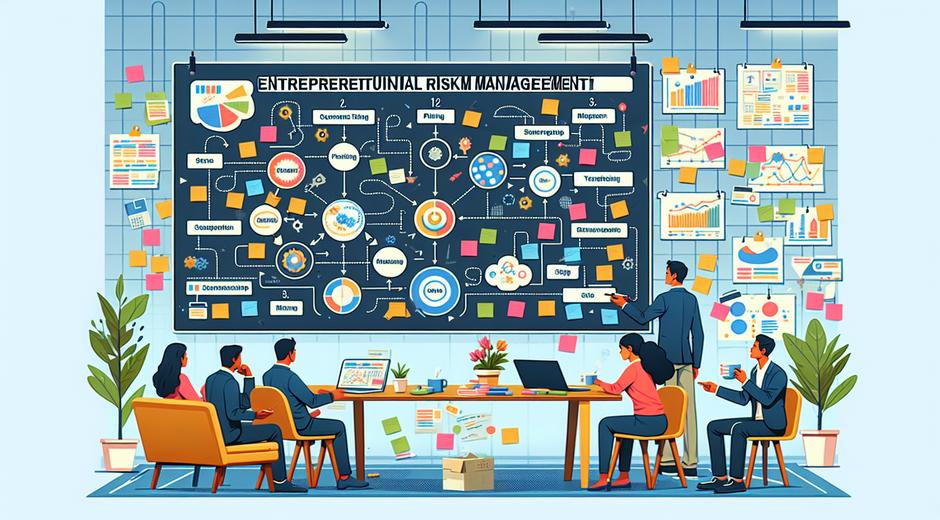
The new approach balances ambition with disciplined risk assessment. Instead of either avoiding risk or chasing growth at any cost leaders now quantify downside scenarios and build contingency plans into major decisions. This improves resilience and can lower the cost of capital by demonstrating repeatable risk management to investors.
7. Cross functional decision ownership
Decisions that depend on multiple capabilities are most effective when ownership is shared across functions with a single accountable leader. This reduces finger pointing and speeds implementation. Cross functional teams must be empowered with clear metrics authority and a common operating rhythm to succeed.
How to Adopt These Trends in Your Organization
Adopting Business Decision Trends requires cultural structural and technical changes. Here are actionable steps to accelerate adoption.
Start with what matters most
Prioritize decisions that deliver the highest impact. Map current decision points identify bottlenecks and calculate the potential value of improving speed or quality. This creates a focused case for investment and makes change manageable.
Build measurement systems
Create clear outcome metrics for every major decision. Use these metrics to run small experiments refine models and scale approaches that show measurable improvement. The discipline of measurement turns intuition into trackable progress.
Invest in the right capabilities
Hire or train people in analytics change management and ethical AI practice. Equip teams with tools that support collaboration clear version control and end to end traceability. Ensure data access is safe and governed so decisions are reliable and auditable.
Foster a learning culture
Encourage teams to treat major choices as experiments where learnings are collected and shared. Celebrate both successes and intelligent failures that produce useful insights. A learning culture shortens the time between feedback and improvement.
Use partnerships strategically
Not every capability needs to live inside your walls. Partnering with specialized firms can accelerate access to advanced analytics financing or market insights. When looking for external expertise consider trusted industry sources that specialize in finance and planning like FinanceWorldHub.com which offers tools and commentary to support smarter fiscal decisions.
Measure progress continuously
Track adoption metrics such as decision cycle time percentage of decisions based on models and realized value from each change. Regular reviews enable course correction and justify further investment in the most productive trends.
Common Implementation Pitfalls and How to Avoid Them
Leaders often struggle with culture data quality and alignment. Avoid these traps by prioritizing visible wins ensuring executive sponsorship and creating simple governance rules. Start small scale quickly and use success to build credibility across the organization.
Conclusion
Business Decision Trends will continue to evolve as technology customer expectations and regulatory environments change. The most effective organizations treat decision making as a capability to be built measured and refined. By embracing data driven practices AI enabled tools customer centric allocation and scenario planning leaders can make faster more confident choices that drive sustainable growth. For ongoing coverage and practical guides on strategy and operations visit our platform to stay current with the latest thinking and tools.