

Network Monetization Models: A Practical Guide for Businesses
Network Monetization Models are central to how digital platforms and connected services turn usage into sustainable revenue. Whether you manage an online community, a content distribution network, a telecom platform, or an integrated device network, selecting the right monetization model shapes growth, retention, and profitability. This guide explains core network monetization models, how to evaluate them, and implementation best practices that align with business goals and user expectations.
Why Network Monetization Models Matter
Choosing an effective Network Monetization Model is more than selecting a way to charge users. It determines the relationship between value delivered and revenue captured. The wrong choice can reduce engagement or limit market reach while the right choice can create compound value as the network grows. For businesses exploring new product lines or scaling existing platforms, understanding model trade offs ensures you build predictable revenue without compromising user experience.
Core Types of Network Monetization Models
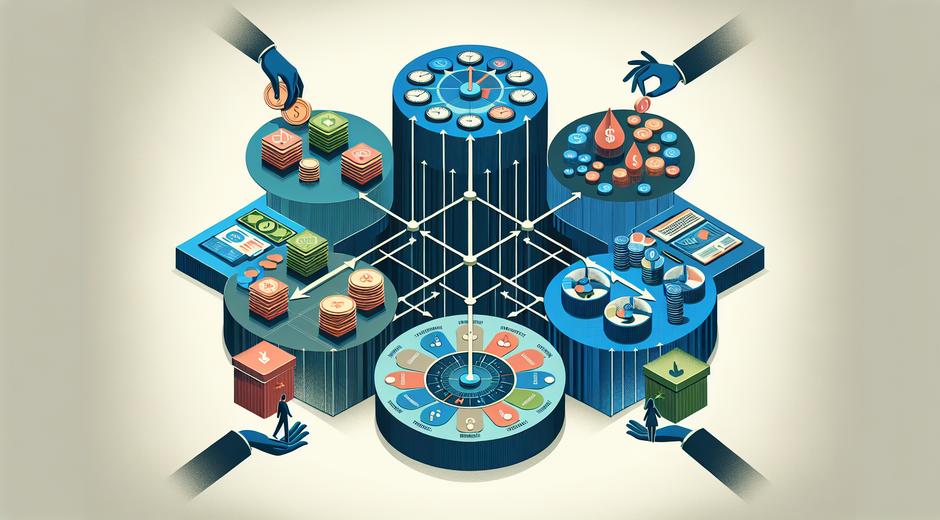
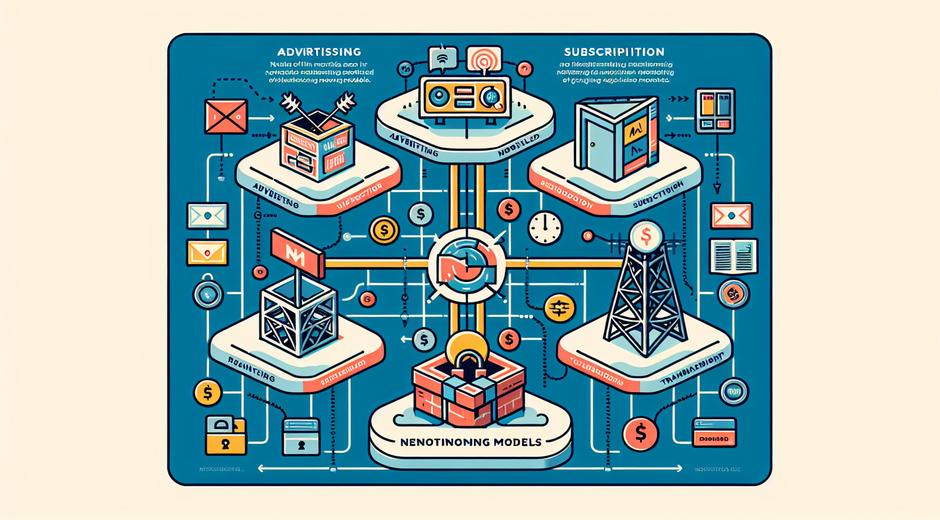
Below are widely used Network Monetization Models that have proven effective across industries. Many successful platforms use a mix of these approaches to diversify income and match diverse customer needs.
Subscription Model
The subscription model charges users a recurring fee for ongoing access to services or content. This model creates predictable cash flow and incentivizes the provider to retain users through continuous improvement. For networks with high engagement and recurring value, subscriptions can drive lifetime value that scales with retention. Examples include premium memberships for content libraries, advanced analytics for B2B platforms, and recurring access to exclusive features for community networks.
Usage Based Pricing
Usage based pricing charges customers according to the resources they consume. This model aligns revenue with customer value and can reduce adoption friction for new users by offering low initial cost. It is common in cloud services, APIs, and data networks. The primary challenge is designing transparent metering so customers can predict costs and trust billing accuracy. When implemented well, usage based pricing can scale directly with customer growth and encourage efficient use of network resources.
Ad Based Monetization
Ad based monetization places third party advertising into the network environment. This model works well when a platform has a large active user base and robust targeting capabilities. Revenue depends on impressions, clicks, or conversions. Maintaining a good user experience while optimizing ad yield is vital. Modern ad based strategies include native ads that blend with content, sponsored placements, and programmatic networks that increase fill rates and yield for publishers.
Commission and Marketplace Fees
Marketplaces and platforms that enable transactions can monetize by taking a commission on each sale. This model aligns platform incentives with transaction volume and network liquidity. Commissions can be fixed or variable depending on category and seller type. For two sided networks, commission fees can be a powerful lever to balance supply and demand while generating steady revenue once the marketplace achieves scale.
Freemium with Paid Upgrades
Freemium provides a basic tier for free and charges for premium capabilities. This reduces barriers to entry while funneling engaged users toward paid plans. Freemium works well when premium features clearly enhance utility, such as advanced analytics, higher throughput, priority support, or premium content. The conversion rate depends on product design, upgrade incentives, and perceived value of paid tiers.
Licensing and Enterprise Contracts
For networks serving business customers, licensing and enterprise contracts can be the primary revenue source. These agreements provide predictable, often high value revenue in exchange for customized integrations, service level guarantees, and dedicated support. Licensing works for software platforms, communication networks, and data services where enterprise clients require control, compliance, and reliability.
Data Monetization
Networks generate valuable data about usage patterns, preferences, and outcomes. Data monetization packages anonymized, aggregated insights for partners or internal product teams. Ethical handling and regulatory compliance are essential. When performed correctly, data monetization can create a high margin revenue stream that leverages network effects without degrading user trust.
Choosing the Right Model for Your Network
Selecting the right Network Monetization Model starts with a clear understanding of who your users are, what they value, and how they buy. Ask these questions when evaluating options: Which model aligns with our core value proposition? Does the model support long term retention? How predictable will revenue be? What are the operational costs to support billing, compliance, and customer service? Answering these questions helps narrow choices to models that match company strengths and market expectations.
Mixing Models to Diversify Revenue
Many successful platforms combine models to capture multiple value streams. For example, a platform may run a freemium membership while selling ad inventory and offering premium enterprise licenses. Combining models reduces dependency on a single source of revenue and allows product teams to optimize for growth and profitability simultaneously. The key is to ensure each revenue stream complements the user experience rather than competing with it.
Technical and Operational Considerations
Implementing a Network Monetization Model requires robust billing systems, clear metrics, and reliable analytics. Consider these operational needs: accurate metering for usage based models, fraud prevention for ad based models, contract management for enterprise licenses, and privacy safeguards for data monetization. Teams should also plan for customer support and dispute resolution to maintain trust as billing complexity increases.
Measuring Success
Key performance indicators vary by model but some common metrics include customer lifetime value, customer acquisition cost, churn rate, average revenue per user, and conversion rates from free to paid tiers. Use cohort analysis to understand how changes to pricing or product features affect retention and revenue over time. Regularly review KPIs to fine tune pricing, promotions, and product roadmap priorities.
Case Studies and Examples
Consider a content network that started with ad based monetization and introduced a subscription tier for ad free access and exclusive content. Over time the platform diversified into enterprise licensing by offering branded content solutions to corporate partners. This progression shows how networks can evolve their monetization strategy as they build trust and scale. For another example, an API network might use a free tier for developers, usage based billing for production workloads, and premium enterprise contracts for guaranteed support and uptime.
Common Pitfalls to Avoid
Avoid creating friction that reduces engagement. Overly aggressive monetization early in a product life cycle can stunt adoption. Lack of transparency in billing or unclear terms damages trust. Ignoring regulatory requirements for data handling can lead to fines and reputational harm. Finally, avoid coupling too many models without alignment to user value as this can confuse customers and complicate operations.
How to Start Implementing a Monetization Strategy
Begin with small experiments. A well designed pilot can reveal customer sensitivity to price and feature bundles. Use feedback loops to iterate pricing and packaging. Leverage analytics to segment users by value and tailor offers to high potential segments. Share learnings across product, marketing, and sales teams to align all parts of the organization behind chosen Network Monetization Models.
Further Reading and Resources
For an overview of business growth tactics and testing frameworks visit businessforumhub.com where you will find guides that connect monetization theory to practical experiments. For designers and product teams looking to explore creative content partnerships and audience building tools see Museatime.com for examples of storytelling platforms that complement network monetization strategies.
Conclusion
Network Monetization Models shape how platforms capture value from their communities and connected services. Choosing and testing the right mix of subscription, usage based, ad based, commission, freemium, licensing, and data monetization approaches enables sustainable growth. Focus on user value, clear measurement, operational excellence, and iterative testing to build a revenue model that scales with your network. The most effective strategies are those that align long term customer success with revenue goals.