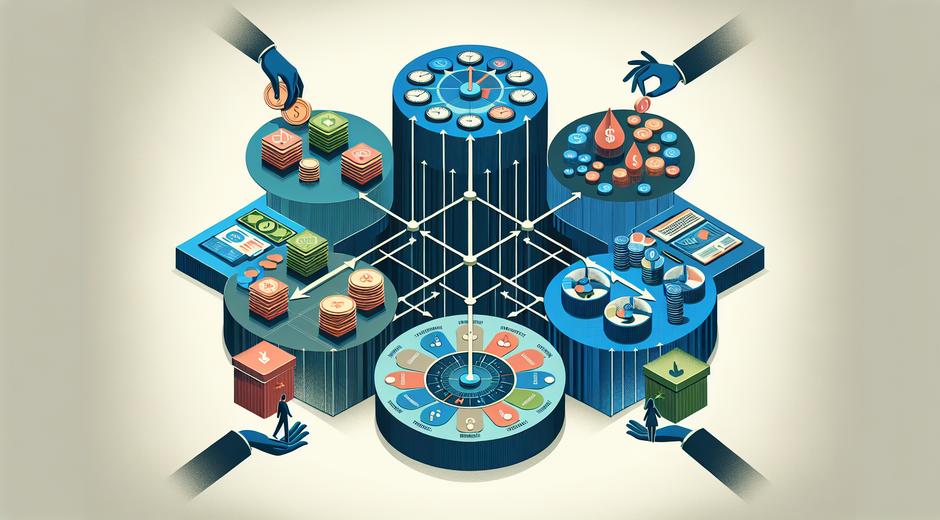


Scalable Revenue Architecture A Practical Guide for Growth Focused Businesses
Scalable Revenue Architecture is a strategic approach that aligns product design marketing operations and technology to generate predictable growth as a company expands. In a market where agility and efficiency determine winners the ability to build a revenue system that scales without proportional increases in cost is a competitive advantage. This article explains core principles components and a step by step roadmap to design and implement a Scalable Revenue Architecture for your business.
What Scalable Revenue Architecture Means
At its core Scalable Revenue Architecture is a framework that connects demand generation customer conversion retention and monetization into a single repeatable engine. It goes beyond isolated sales and marketing tactics to create a unified model that supports volume growth while preserving margin and customer experience. The term covers people process and platform. When each of these elements is designed for scale your business can handle higher volumes with minimal friction.
Key Components of a Scalable Revenue Architecture
Every effective architecture has a set of essential components. For a revenue system these include:
- Customer Value Model Understand the core value your product or service delivers. Define target segments ideal buyer profiles and the pathways that convert interest into paying customers.
- Acquisition Channels Identify channels that deliver quality leads at a sustainable cost. Invest in channels that can be automated measured and optimized for volume.
- Conversion Engine Create repeatable funnels with clear handoffs between marketing sales and service. Use scorecards routing logic and workflow automation to reduce manual steps.
- Monetization Strategy Define pricing packaging and upsell mechanisms that increase average revenue per user while maintaining conversion rates.
- Retention Processes Build onboarding success metrics renewal triggers and proactive support to reduce churn and increase lifetime value.
- Data and Reporting Establish a single source of truth for conversion rates channel performance cohort behavior and customer health. Use dashboards to drive decisions.
- Technology Stack Choose platforms that integrate cleanly and scale with volume. Focus on APIs event driven architecture and tools that support automation.
- Governance and Talent Create roles that own metrics and outcomes. Train teams to work with shared processes and continuous improvement routines.
Why Design for Scale from the Start
Many startups and small businesses use quick fixes that work at small scale but fail as volumes increase. When early processes rely on manual work or siloed data costs rise rapidly and customer confusion grows. Designing for scale early reduces rework and preserves margin. It also enables faster iteration because data is available and processes are repeatable. A deliberate Scalable Revenue Architecture helps you grow efficiently and secure market share without eroding profitability.
Step by Step Roadmap to Build Scalable Revenue Architecture
Follow this pragmatic roadmap to move from concept to execution.
- Map the Current State Document how leads enter your system how they move between teams and what tools capture data. Identify manual steps and common failure points.
- Define Target Outcomes Set measurable goals such as new revenue per month cost per acquisition churn rate and lifetime value. These targets will guide priorities.
- Design Future State Create process flows that reduce handoffs increase automation and centralize data. Focus on improving bottlenecks that most constrain growth.
- Choose Technology Select platforms that support integrations reporting and automation. Prioritize tools that are mature and have strong APIs.
- Build Data Model Define events and attributes to capture across the customer journey. Standardize naming and ensure data quality controls are in place.
- Automate Key Workflows Implement lead routing nurturing and renewal reminders with minimal manual intervention. Use logic that scales with volume.
- Measure and Iterate Launch dashboards and weekly reviews to monitor performance. Use experiments to validate changes and scale what works.
- Scale Teams with Clear Ownership Create roles that own acquisition retention pricing and analytics. Ensure accountability for metrics and outcomes.
Technology Considerations for Scale
When selecting technology focus on systems that enable integration and automation. Core elements often include a customer relationship platform an analytics layer a marketing automation tool and a billing system. Integration patterns matter. Event driven approaches and APIs allow systems to communicate without creating fragile dependencies. Also consider platform vendor roadmaps and ecosystem support as these affect long term viability.
Metrics That Matter
Measure what drives decisions. Common high value metrics include:
- Customer acquisition cost
- Conversion rate by funnel stage
- Average revenue per user
- Churn rate and retention curve
- Sales cycle length
- Time to first value
- Gross margin on incremental revenue
Tracking these metrics with cohorts reveals whether changes improve unit economics. The goal is to produce predictable forecasts so leaders can invest in growth with confidence.
Common Pitfalls to Avoid
Even experienced teams stumble when building scalable revenue systems. Watch for these traps:
- Relying on manual processes that cannot keep up with volume
- Building point to point integrations rather than using a central data layer
- Ignoring data quality which leads to poor decisions
- Focusing on vanity metrics that do not tie to revenue
- Changing too many variables at once which prevents learning
Case Example from a Niche Market
Consider a mid market software firm that consolidated lead capture reporting and billing into a unified model. By standardizing lead scoring automating trial conversions and implementing a usage based pricing option the firm improved conversion and increased average revenue per account. The combination of better data and automated workflows lowered cost per acquisition and shortened the sales cycle which freed budget to expand into adjacent markets.
For ideas on how specialized vertical publications approach audience building and monetization see this example of a fast moving industry hub at GamingNewsHead.com. That site demonstrates how content focus and advertising and subscription options can create a layered revenue model that scales with traffic and engagement.
Practical Checklist to Get Started Today
Use this checklist to move from planning to action.
- Document your conversion funnel end to end
- List all manual tasks and estimate time per task
- Identify the top three metrics to improve this quarter
- Choose one automation to implement that reduces manual work by at least 50 percent
- Build a dashboard to monitor impact weekly
- Assign an owner for each stage of the funnel
Small wins compound. Focus on automating high frequency tasks first and then expand to more complex workflows as data quality improves.
How to Evolve Over Time
Scalable Revenue Architecture is not a one time project. It is an evolving system that requires continual tuning. Maintain a cadence of quarterly reviews to reassess channel performance pricing and retention levers. As your business matures introduce advanced capabilities such as predictive analytics flexible pricing engines and programmatic ad buying to unlock new revenue streams.
Conclusion
Building a Scalable Revenue Architecture is one of the highest leverage activities a business can undertake. It combines strategy technology and operational discipline to produce predictable sustainable growth. By mapping current processes defining measurable outcomes and investing in automation and data you create a foundation that supports expansion without proportional increases in cost. For practical resources and deeper articles on business strategy and execution visit businessforumhub.com. Begin with clarity on your target customer and focus on creating repeatable processes that you can measure and improve.
Adopt the mindset of continuous improvement and treat revenue as a system. When teams are aligned on metrics and tools support scalable workflows your organization can grow faster and more profitably than competitors that rely on ad hoc tactics.