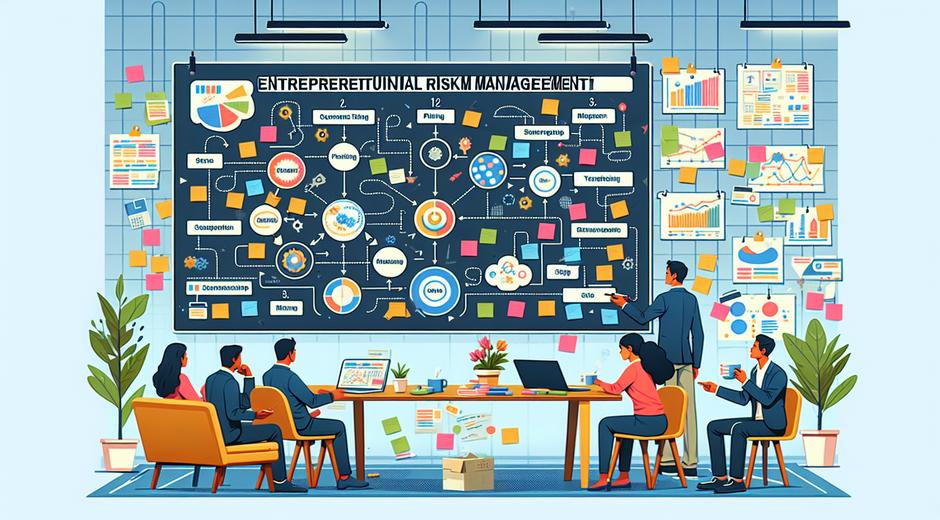


Strategic Execution: Turning Strategy into Sustainable Results
Strategic execution is the bridge between bold plans and measurable outcomes. Many organizations craft clear strategic plans but struggle to convert those plans into consistent results. This article unpacks the essential elements of strategic execution and provides a roadmap leaders can use to align teams, processes, and technology so strategy delivers value on time and at scale.
Why Strategic Execution Matters
Strategy without execution is an idea without impact. Strong strategic execution ensures that investments of time and resources translate into improved performance, higher customer satisfaction, and better market position. It creates discipline across the organization so that priorities are clear, trade offs are managed, and progress is measurable. Companies that master execution maintain competitive advantage because they can adapt while still delivering on core objectives.
Core Components of Effective Strategic Execution
Successful execution rests on a few interlocking components. Each must be intentionally designed and managed.
Direction and clarity
A strategy must be translated into clear priorities and outcomes. Teams need to know what success looks like and which metrics will measure progress. This clarity eliminates guess work and aligns daily work with long term goals.
Aligned structures and roles
Organizational structures and role definitions must support the strategy. That means assigning accountability for outcomes not just tasks. When leaders are accountable for results they can make decisions that balance short term needs and strategic targets.
Processes and governance
Repeatable processes ensure work moves forward without friction. Governance provides checkpoints for course correction and resource allocation. Effective governance is not control for its own sake. It is a rhythm of review that keeps the strategy relevant and teams unblocked.
Capabilities and skills
Execution requires the right skills in the right places. Building capability includes training, hiring, and knowledge sharing. Without targeted investment in skills strategy will stall.
Technology and data
Data driven decision making and the right tools accelerate execution. Dashboards that show the right metrics help teams make faster decisions. Integrations between systems reduce manual work and free time for strategic tasks.
A Practical Step by Step Execution Framework
Leaders can use a simple framework to move from plan to performance. The following steps offer a repeatable approach.
1 Set priorities
Identify the few initiatives that will have the greatest impact. Avoid the trap of treating every idea as equally important. Focus concentrates effort and increases the odds of meaningful results.
2 Define outcomes and metrics
Translate priorities into measurable outcomes and identify leading and lagging indicators. Leading indicators show early signs of progress while lagging indicators capture the final result.
3 Assign ownership
Give individuals clear ownership for outcomes. Ownership means authority to make decisions and responsibility for results. This reduces hand offs and speeds up execution.
4 Design the work flow
Map how work will flow across teams and systems. Identify dependencies and plan for contingencies. A well designed flow reduces delay and increases predictability.
5 Establish governance cadence
Create regular review cycles that check progress, unblock issues, and realign resources. Governance should be efficient and focused on outcomes not just activity reports.
6 Monitor and adapt
Use data to monitor progress and be ready to pivot when evidence shows a different path is required. Adaptation is not indecision. It is a disciplined response to new information.
How to Measure Execution Performance
Good metrics are actionable and aligned with strategic outcomes. Consider using a mix of metrics that cover speed quality and value.
Speed metrics include cycle time for key processes and time to market for new offerings. Quality metrics capture defect rates customer satisfaction and compliance. Value metrics show revenue growth margin improvement and return on investment for initiatives. Together these measures provide a balanced view of whether execution is moving the organization toward its goals.
Leadership Behaviors that Drive Execution
Leaders set the tone for execution. The most effective leaders do a few things consistently.
Communicate purpose
Clear communication about why a strategy matters creates buy in and motivates teams. Purpose helps people choose trade offs when ambiguity arises.
Model accountability
When leaders own outcomes and follow through on commitments others will do the same. Accountability must be visible and supported by fair recognition and consequence systems.
Prioritize relentlessly
Good leaders say no to good ideas so they can say yes to great ones. Relentless prioritization protects scarce resources and keeps teams focused.
Enable decision making
Execution speeds when decisions are made close to the work. Empower teams with clear decision rights and the information they need.
Common Pitfalls to Avoid
Many execution challenges arise from predictable causes. Avoiding the following can improve outcomes quickly.
Over planning without action
Some organizations spend excessive time perfecting plans and little time testing them in the market. Early experiments and learning cycles reduce risk and reveal execution issues sooner.
Poor change management
Execution often requires people to change how they work. Underestimating the effort required to shift culture processes or systems slows progress.
Siloed thinking
When teams optimize for local goals results suffer at the enterprise level. Shared metrics and cross functional forums promote alignment across boundaries.
Data that is noisy or late
Decisions that arrive after the fact cannot influence outcomes. Invest in timely reliable data and make it accessible to frontline decision makers.
Technology and Tools that Support Execution
Technology can automate routine work bring transparency and accelerate learning. Project management platforms task orchestration tools and analytics solutions are common enablers. Selecting tools that match your way of working reduces friction. For organizations exploring modern work management solutions consider vendors that prioritize ease of use and integration capabilities. For project teams that need a unified platform to track progress and collaborate explore options at Zoopora.com which offers a range of features for planning tracking and reporting.
Bringing It Together: A Short Case Example
Imagine a company that wants to enter a new market. Leadership sets a three part prioritization: customer research product adaptation and sales channel build out. They translate those priorities into outcomes with clear metrics for customer trial conversion product quality and channel revenue. Each area receives an owner who is accountable for outcomes not just tasks. Weekly governance meetings focus on the handful of at risk metrics and decision authority is delegated to the most informed level. The company also invests in training and a lightweight platform to track trials and feedback. Within six months they have validated the product at scale and adjusted their approach to achieve target conversion rates. The disciplined approach to strategic execution enabled faster learning lower cost of failure and a higher probability of success.
Next Steps for Leaders
Start by assessing where execution breaks down in your organization. Map a single strategic initiative using the framework above and run a short pilot. Use fast learning cycles to refine the approach and scale what works. Share wins and learning broadly to build momentum and normalize the behaviors that sustain execution excellence. For additional resources and industry perspectives visit businessforumhub.com to explore more articles tools and community insights that support leaders and practitioners in delivering consistent results.
Conclusion
Strategic execution is not a one time effort. It is a continuous capability made up of clear priorities aligned structures deliberate processes and disciplined leadership. Organizations that invest in building this capability increase their speed of learning and their ability to convert strategy into sustainable value. By focusing on outcomes assigning ownership building capability and using data to guide decisions leaders can create a repeatable engine for turning strategic intent into measurable success.