

Sustainable Business Scaling: A Practical Roadmap for Growth that Lasts
Sustainable Business Scaling is more than a growth objective. It is a disciplined approach that protects long term value while expanding market reach and capacity. Leaders who commit to Sustainable Business Scaling balance revenue growth with operational resilience and social responsibility. This article provides a clear roadmap for executives founders and managers who want to grow without sacrificing margins culture or environmental stewardship.
Why Sustainable Business Scaling Matters
Rapid growth can look attractive on the surface. However growth without guardrails often creates fragile operations erratic cash flow and unhappy teams. Sustainable Business Scaling reduces risk by aligning strategy processes and metrics so that expansion is predictable repeatable and efficient. A sustainable approach attracts investors customers and talent because it signals maturity and foresight.
Designing a Sustainable Growth Model
Start by defining what success looks like over three to five years. Map key drivers of revenue and costs. Describe customer segments that have high lifetime value and low churn. Use scenario planning to test demand changes cost increases and supply chain shocks. This creates a flexible playbook that supports long term decisions while enabling tactical moves when opportunities arise.
Document your core offerings and determine which products or services are most amenable to scalable delivery. Consider standardizing the customer experience so that quality is not tied to individual heroes. Clarity in offerings reduces complexity which in turn improves margins during growth.
Operational Systems for Sustainable Scaling
Operational systems are the backbone of Sustainable Business Scaling. Invest early in processes that automate repetitive work and capture institutional knowledge. Standard operating procedures help new hires ramp faster and reduce errors. Centralize key functions like purchasing customer onboarding and billing where centralization adds efficiency while keeping customer facing customization localized when it matters.
Adopt a continuous improvement mindset. Regularly audit processes with frontline teams and use small experiments to refine workflows. This keeps the operation nimble without throwing away the repeatability that supports larger scale.
People and Culture
People fuel Sustainable Business Scaling. Hiring must focus on both skill fit and cultural fit. Build career paths that reward mastery and cross functional collaboration. Training programs improve retention and make expansion less risky. Leaders must communicate growth goals and operational expectations clearly so that teams feel ownership rather than pressure.
Make decisions that preserve psychological safety. When teams can share honest feedback problems are surfaced early and fixed before they become crises. That environment is vital for long term expansion because it prevents hidden technical debt and morale collapse.
Financial Planning and Capital Strategy
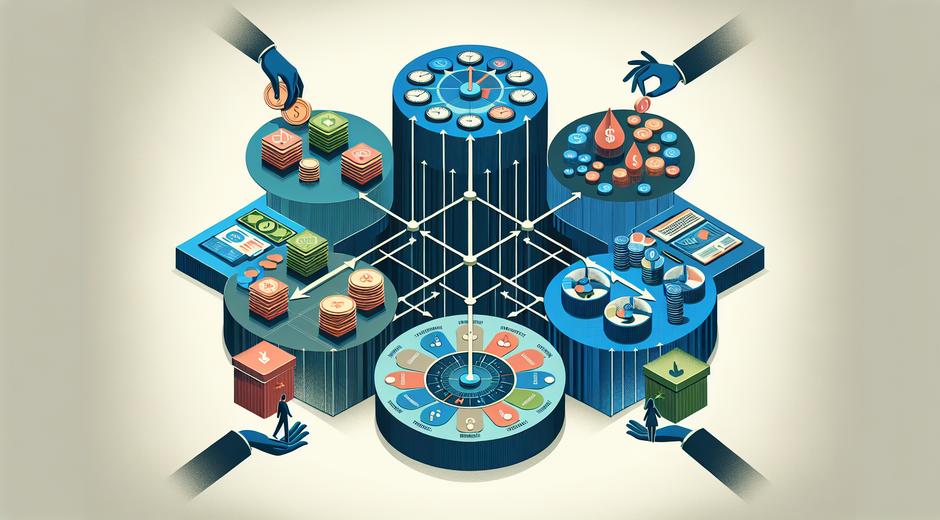
Sound financial planning differentiates ambitious projects that are feasible from ones that create strain. Create rolling forecasts that extend beyond the current fiscal year. Stress test those forecasts for slower sales higher costs and constrained access to capital. Maintain a conservative runway buffer so that the business can navigate short term disruptions without cutting essential investments.
Decide on a capital strategy that matches pace of growth. Bootstrapping preserves control but may limit speed. External capital can accelerate scale but introduces new governance expectations. Align funding choices with the sustainable growth timeline and the tolerances of existing stakeholders.
Technology and Data
Technology enables scale when chosen for integration and reliability. Prioritize systems that centralize data provide clear audit trails and automate routine reporting. A single source of truth for customer data finance and inventory reduces errors and speeds decision making. Ensure that technology choices support predicted growth volumes and are not quick fixes that require constant patching.
Use data to measure impact not only activity. Track leading indicators that predict customer retention cost per acquisition and unit economics. When leaders can see trends early they can adjust strategy before small issues grow into structural problems.
Sustainability and Supply Chain
Sustainable Business Scaling should include environmental and social considerations. This can be a differentiator with customers and partners. Audit your supply chain for resilience and ethical sourcing. Collaborate with vendors to improve efficiency reduce waste and ensure continuity. Circular practices such as repair reuse and recycling may reduce long term cost and demonstrate commitment to responsible growth.
Embed sustainability into procurement criteria and product design. Small design choices can reduce material cost complexity and carbon impact while improving the marginal economics of scaling production.
Measure Progress with the Right Metrics
Metrics must reflect both growth and durability. Common metrics include revenue per customer gross margin churn rate customer acquisition cost and cash runway. For Sustainable Business Scaling add measures such as operational error rate employee retention and supplier reliability. Use a balanced scorecard that combines financial customer operational and people metrics so that trade offs are visible.
Regular review cadences ensure that the executive team and managers share the same reality. Weekly operational check ins monthly financial reviews and quarterly strategy sessions create a disciplined rhythm that supports steady expansion.
For curated insights and case studies on Sustainable Business Scaling visit BusinessForumHub.com where practical articles help leaders apply proven tactics to their markets.
Common Pitfalls and How to Avoid Them
Many leaders chase top line growth while neglecting the supporting systems. Avoid the trap of hiring too many people too fast without clear roles and training. Avoid layering complexity into product lines that are not profitable at scale. Watch for optimism bias in forecasts and insist on evidence based checkpoints before major investments.
Another common mistake is confusing activity with progress. High marketing spend can lift leads without improving quality. Operational metrics help reveal whether leads are turning into reliable customers at sustainable cost.
Case Examples that Illustrate the Model
Consider a company that focused on a single profitable product line standardized onboarding and invested in data systems to track unit economics. As a result customer satisfaction improved costs per acquisition fell and the company expanded into adjacent markets with predictable outcomes. Another example is a manufacturer that redesigned packaging to reduce weight and material cost. This change lowered shipping expense increased margins and made the business more resilient to supply chain shocks.
Where to Learn More and Keep Improving
Sustainable Business Scaling is a long term commitment that requires learning adaptation and discipline. Participate in peer networks study case studies and test ideas in small pilots before wide rollout. For a hub of resources news and discussion tailored to growing businesses visit businessforumhub.com and explore articles that match your stage and sector.
Final Thoughts
Sustainable Business Scaling is achievable with intentional design of strategy people operations technology and finance. Prioritize repeatable processes deliberate metrics and a resilient culture. Growth that lasts is not about speed alone. It is about creating capacity to deliver value consistently while protecting the core of the business. Use the roadmap in this article to build a plan that grows revenue and sustains performance for the long term.